
How Teacher Stipend Taxes Work for Coaching, Clubs, and Summer School
Last updated: November 05, 2026
Teacher stipends are taxable in most cases, and the way they are taxed depends on whether the school pays them as supplemental wages or folds them into regular payroll. This guide explains how teacher stipend taxes work for coaching, clubs, and summer school for a teacher, coach, club sponsor, or summer school instructor who wants to understand why a stipend gets withheld, how it shows up on a W-2, and why the check can look smaller than expected. Quick answer: teacher stipend taxes often reduce the take-home amount because withholding is applied at payroll, not at year-end, and the exact amount can differ by employer and jurisdiction. This is information, not financial advice; tax rules change by country and can vary by employer, so a qualified tax adviser or payroll professional should be consulted for your situation.
Key takeaways
- A stipend is usually treated as pay, not a reimbursement, so tax withholding often applies; consult a qualified tax professional or payroll office for your situation.
- Coaching pay, club sponsor pay, and summer school pay are commonly handled as supplemental wages.
- Supplemental wages can be withheld at a different rate than regular salary, depending on payroll setup and local tax rules.
- A smaller take-home check does not always mean you were overtaxed; it may reflect how withholding is calculated.
- The W-2 is the key document to verify because it shows the amount counted as wages for tax reporting.
- For U.S. rules, see the IRS guidance on supplemental wages: https://www.irs.gov/publications/p15
What teacher stipends are, for tax purposes
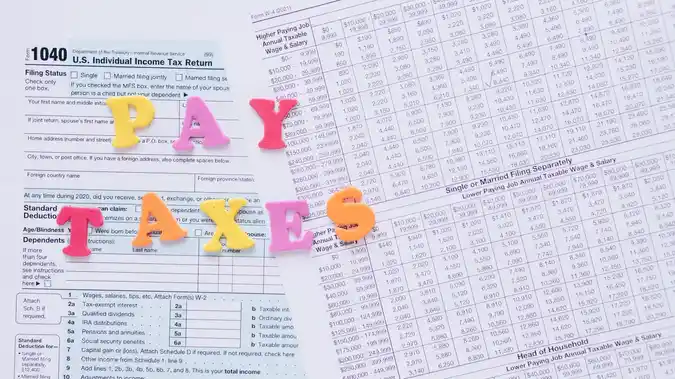
How teacher stipend taxes work for coaching, clubs, and summer school usually comes down to whether the payment is compensation for work performed. Teacher stipends are usually taxable compensation when they are paid for coaching, club sponsorship, summer school, or other extra duties. In plain terms, if the payment is for work you performed, the IRS and many other tax systems generally treat it as wages unless a very specific exception applies; consult a tax professional and review the applicable local tax authority guidance for your situation.
That distinction matters because people often assume “stipend” means a flat, tax-free allowance. It usually does not. A stipend can be paid monthly, per season, or as a one-time amount, but the label does not control the tax result. The function of the payment does.
The common tax term here is supplemental wages, which means pay in addition to regular salary. Supplemental wages often include bonuses, commissions, back pay, and extra-duty payments. A coaching stipend or club sponsor stipend is frequently processed this way because it sits outside the teacher’s base contract.
A plain example: if your base salary is paid over 12 months and your school adds a $1,200 coaching stipend, that extra $1,200 is usually not treated like a gift. It is compensation. That means it may be subject to federal income tax withholding, state or provincial tax withholding where applicable, and payroll taxes such as Social Security and Medicare in the U.S., depending on the worker’s status and the payment setup; consult a payroll professional or tax adviser for your situation.
The catch is that withholding is not the same as final tax owed. Withholding is an estimate collected during the year. Your actual tax bill is determined later when you file. A stipend can look “over-taxed” on payday because payroll is often required to withhold as if the extra money will keep coming at the same rate, even when it is a one-off amount.
The hub page on teacher compensation, payroll, and paycheck mechanics goes deeper on where these payments fit in the payroll process, but this article stays focused on the tax side.
How tax withholding works on coaching, club, and summer school pay
How teacher stipend taxes work for coaching, clubs, and summer school depends on the employer’s payroll setup and the local tax rules. Tax withholding on teacher stipends usually works by treating the payment as wages and then applying payroll rules to that amount. The exact method depends on the employer’s payroll system, the country, and sometimes the size and timing of the payment. In the U.S., supplemental wages can be withheld using a flat supplemental method or combined with regular wages, depending on how the employer runs payroll; consult payroll staff or the IRS supplemental wages guidance before drawing conclusions.
Here is the practical sequence to understand:
- Identify the payment type. Confirm whether the school calls it a stipend, coaching pay, club sponsor pay, or summer school pay. Verify whether it is being treated as wages in payroll records, and if needed consult payroll staff or a tax professional. A problem sign is a vague label with no payroll classification, because that can lead to confused withholding or incorrect reporting.
- Check whether it is separate from your regular paycheck. Supplemental pay is often issued on its own payroll run. Verify the pay date and whether the amount is isolated from base salary. A problem sign is when the extra pay is merged inconsistently, because withholding may be calculated differently from what you expected.
- Review the withholding method used by payroll. Ask whether the district uses a supplemental wage method, a percentage method, or a combined wage calculation. Verify the method against your pay notice or payroll office explanation. A problem sign is “it depends” with no method documented.
- Compare gross pay to net pay. Look at the full gross stipend amount and the taxes withheld from it. Verify that federal, state, and employment taxes are being applied according to your jurisdiction. A problem sign is a net amount that seems too low without an explanation of the withholding categories.
- Check whether benefits or retirement deductions also apply. In some districts, pension, union dues, or other deductions may attach to stipend pay. Verify which deductions are mandatory and which are optional. A problem sign is a deduction you did not authorize, because that may need correction before year-end.
- Confirm whether the payment counts as wages on the W-2. At year-end, the stipend should usually be included in wages if it is taxable compensation. Verify that it appears in the wage boxes on the W-2 rather than being omitted, and consult payroll or a tax adviser if the classification is unclear. A problem sign is a missing amount, because that can create reporting errors on your tax return.
- Reconcile the year-to-date totals. Add the stipend to your other school pay and compare the totals to year-to-date payroll records. Verify that the sum matches the W-2 wage figure. A problem sign is a mismatch, which can mean a payroll coding error or a missed payment.
- Ask for correction before year-end if the treatment is wrong. If the school misclassified the stipend as reimbursement or forgot to withhold where required, request a payroll review quickly. Verify the corrected amount in writing, and consult a payroll professional or tax adviser if needed. A problem sign is delay, because year-end corrections are harder after the W-2 is issued.
The key point is that withholding is a payroll process, not a judgment on whether the work “deserves” the money. A $500 club sponsor stipend can be taxed differently at the paycheck level than the same $500 added to regular salary, even though both are taxable wages in the end. That difference is about payroll mechanics, not about the nature of the work.
If you want a government reference point, the IRS page on supplemental wages explains the federal treatment in the U.S., and your local tax authority may have a similar rule set for provincial or national withholding.
Why is my stipend taxed so heavily?
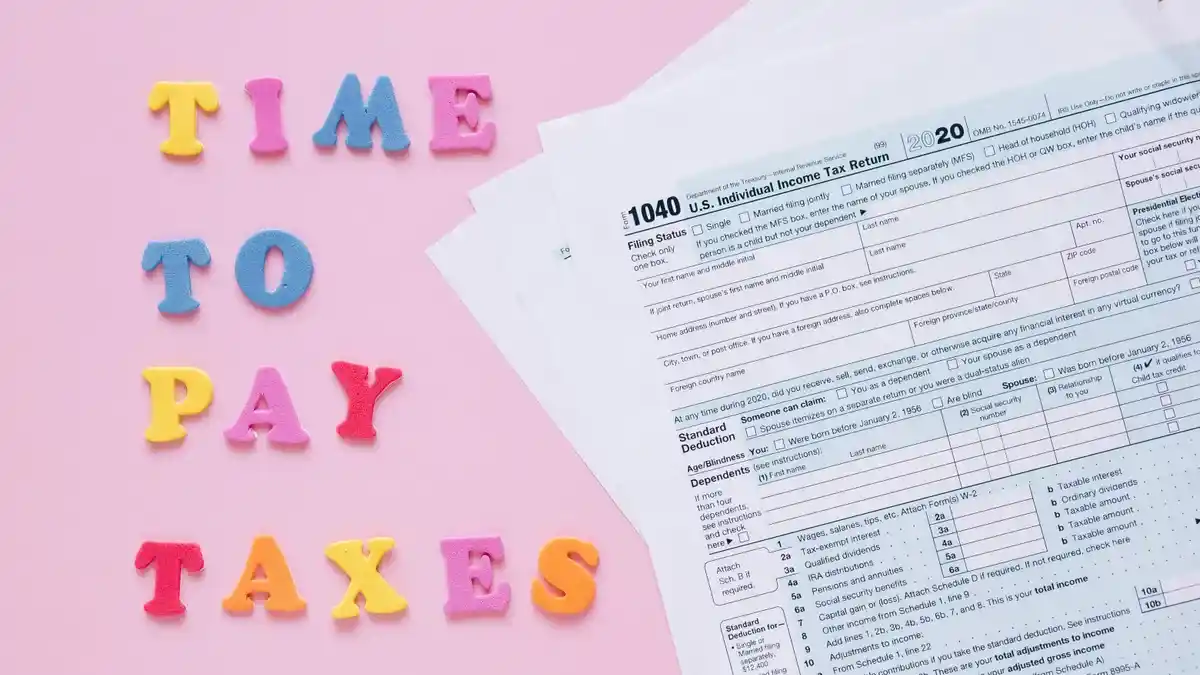
How teacher stipend taxes work for coaching, clubs, and summer school often looks heavier on payday than it does at year-end. A stipend often looks heavily taxed because supplemental pay is withheld at a rate that can feel disconnected from your annual income. The paycheck is not being taxed in isolation as your final yearly income; payroll is estimating tax on a payment that may be your only extra check for the month or semester.
Two things make this feel sharper than regular salary. First, supplemental wages may be withheld under a different payroll method than base pay. Second, deductions that apply to all wages can still come out of the stipend, so the net check shrinks quickly. A teacher who sees a $900 summer school payment and a much smaller deposit may assume the district “taxed the stipend too much,” when the issue is often normal withholding plus payroll deductions.
There is also a timing effect. If the stipend is paid in one lump sum, the payroll system may calculate withholding as if that larger amount is part of your regular pattern. That can produce a higher withholding percentage than your annual effective tax rate. It is still not necessarily wrong. It may simply mean too much tax is being collected early and then reconciled when you file.
The opposite problem also happens. If too little is withheld from coaching pay or club sponsor pay, the check looks nice now and causes a surprise later. That is one reason why the size of the net payment is a poor way to judge whether the tax treatment is correct.
What matters is documentation. If the stub, payroll office, and W-2 all line up, the taxation is probably being handled as payroll compensation. If they do not line up, the issue is not “heavy taxes” so much as a possible payroll error.
Do stipends count as wages on a W-2?
Yes, taxable teacher stipends usually count as wages on a W-2. In the U.S., if the stipend is compensation for work performed, it normally belongs in wages rather than being treated as a non-taxable allowance.
That means the amount should typically be included in your W-2 wage boxes, with taxes already withheld through payroll where required. The exact box placement can vary with the kind of deduction or tax involved, but the main idea is simple: if the school paid you for coaching, club sponsorship, or summer school work, the amount usually does not disappear from the tax record just because it was called a stipend.
This is where people sometimes get tripped up by bonus vs wages language. A bonus is still wages for tax purposes in most ordinary cases. A stipend for extra duties is also usually wages. The label can change the payroll method, but it often does not change the fact that the income is taxable compensation.
One useful check is year-end reconciliation. Compare the sum of your regular salary and stipend payments to the W-2 totals. If the stipend is absent, payroll may have coded it incorrectly. If it is present but the withholding seems high, that may still be correct under the supplemental wage method used by the employer.
If you work in a district that issues multiple W-2s, or if part of the pay comes from a separate employer entity, verify which W-2 includes the stipend. That matters because the tax return must match the payer’s reporting. A mismatch can slow filing or trigger a correction form.
For authoritative guidance in the U.S., the IRS pages on wages and supplemental wages are the most relevant starting points.
When the standard treatment does not apply
The standard treatment does not apply when the payment is not really wages, when the worker is classified differently, or when local tax rules override the usual payroll pattern. In those cases, the stipend label is not enough to predict the tax result.
Reimbursement for actual expenses: If the school is paying back documented travel, supplies, or event costs under an accountable plan, that money may not be taxable wages — verify the policy and receipts before assuming withholding should apply.
Independent contractor setup: If you are paid on a 1099-type basis rather than as an employee, the tax treatment is different — verify worker classification, because self-employment tax and estimated tax rules may apply instead of W-2 withholding.
Non-U.S. payroll system: If you are outside the United States, W-2 rules do not apply — verify the local tax form and withholding system, because teacher stipends may be handled under a different employment tax structure.
One-time correction or retroactive pay: If the payment fixes a prior payroll error or covers back pay, it may be processed differently — verify the period it relates to, because the tax year and withholding method can change how it is reported.
Stipend paid through a third party: If a booster club, summer program vendor, or outside organization pays you, the tax reporting may not run through the district payroll — verify who the legal employer is, because that determines the form you receive.
The common thread is simple: if the payment does not come through normal employee payroll, the assumption that “it will be taxed like my salary” may fail. That is the point where a payroll office or qualified tax adviser is the right next stop.
The mistakes people make with teacher stipend taxes
The most common mistake is assuming the word “stipend” means “not taxed.” The consequence is surprise at withholding or a missed amount on the tax return. The correct alternative is to treat the payment as compensation unless payroll confirms a specific non-taxable category.
A second mistake is comparing the stipend’s net amount to another teacher’s net amount without checking the payment method. The consequence is false alarm, because two districts can withhold very differently for the same $750 coaching payment. The correct alternative is to compare gross pay, withholding method, and year-to-date totals.
A third mistake is ignoring the W-2 until tax season. The consequence is that reporting errors show up late, when they are harder to fix. The correct alternative is to check the W-2 as soon as it is issued and compare it to your final payroll records.
A fourth mistake is assuming all extra-duty pay is taxed the same way. The consequence is confusion between bonus vs wages treatment, especially if the district uses separate payroll codes for summer school, coaching, and club sponsor pay. The correct alternative is to ask payroll how each code is processed before the payment is issued.
A fifth mistake is treating withholding as final tax. The consequence is either panic over a large deduction or false confidence when withholding is light. The correct alternative is to remember that withholding is a prepayment, not the final calculation.
A sixth mistake is waiting until after the W-2 is issued to question a bad classification. The consequence is more paperwork and a slower correction path. The correct alternative is to report possible errors promptly, while payroll can still amend records in the same tax year.
What to check before you assume the school got it wrong
The school may be right, and the check may still look odd. Before you flag an error, verify four things: the payment type, the withholding method, the year-to-date wage totals, and the W-2 report. Those four items usually explain most stipend tax questions.
Start with the payroll description. If the school says the payment is supplemental wages, that narrows the issue immediately. Then check whether federal, state, and payroll taxes were withheld from the gross amount. If only one category changed, the check may look unusual even though it is processed correctly.
Next, look at the year-to-date figures. A one-time $1,000 summer school payment that lands late in the year can push withholding higher than a person expects from the month-to-month check pattern. That does not mean the tax is wrong; it may mean the timing changed the calculation.
Finally, check the W-2 against your own records. If the numbers agree, the tax reporting is usually in better shape than the take-home amount suggests.
Drafted with AI; not yet reviewed by a person.